Understanding the psychological impact of gambling on decision-making processes
The Role of Cognitive Biases in Gambling Decisions
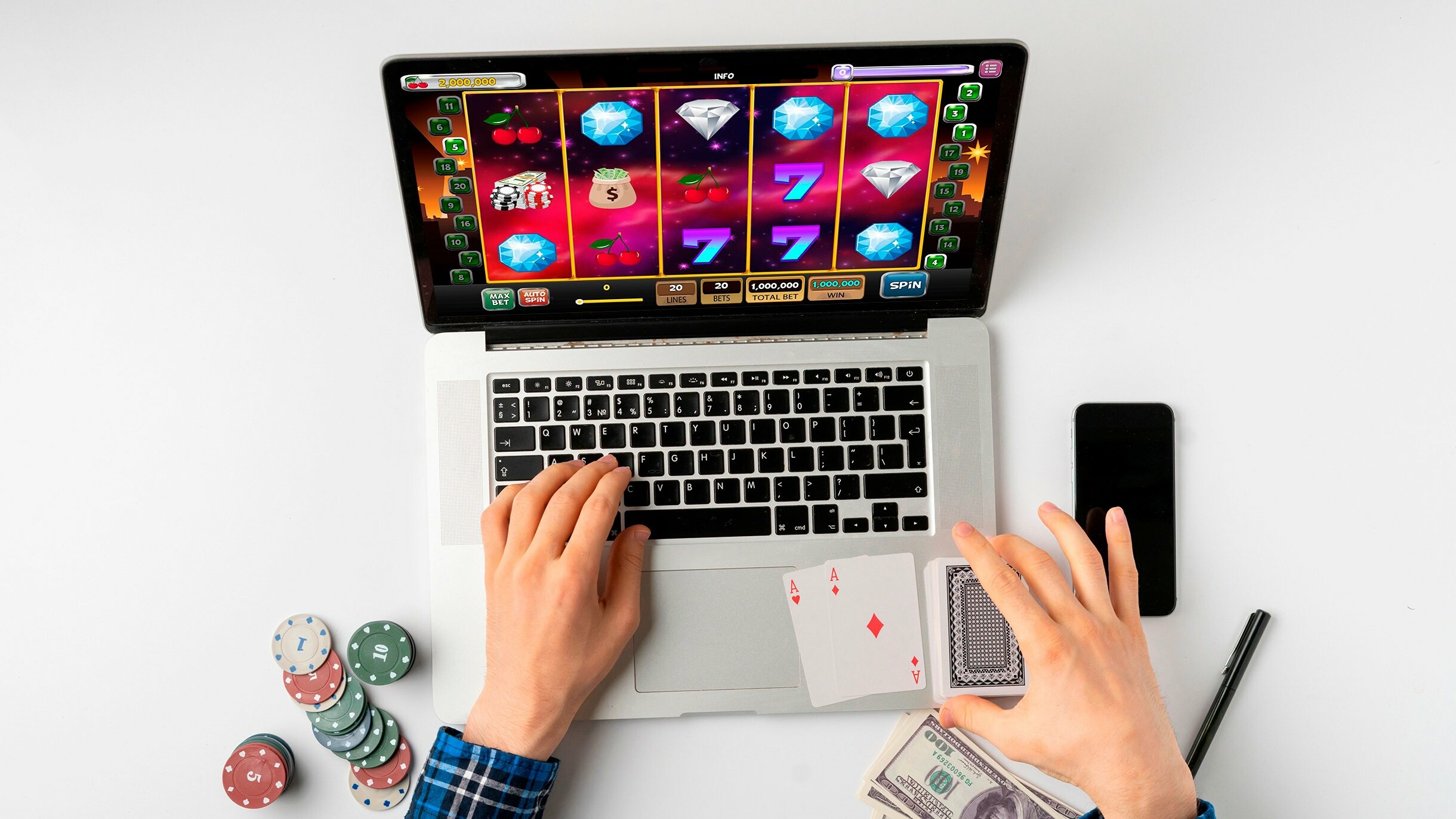
Cognitive biases significantly influence how individuals make decisions in gambling scenarios. One of the most prominent biases is the illusion of control, where gamblers believe they can influence the outcome of random events. This perception can lead to overconfidence and increased risk-taking, as individuals may continue to wager despite mounting losses, believing that their next bet will change their fortunes. Moreover, online platforms have emerged, providing players with access to the best online casino california and reinforcing these biases.

Another critical bias is the availability heuristic, which causes individuals to rely on immediate examples that come to mind when evaluating a situation. Gamblers may focus on recent wins or stories of big winners while ignoring the more prevalent instances of loss. This selective thinking can skew their judgment and lead to poor decision-making during gambling sessions.
Emotional Factors and Their Effects on Gambling Choices
The emotional state of a gambler plays a vital role in decision-making. For instance, feelings of excitement or euphoria can prompt individuals to take greater risks, while anxiety or fear may lead to conservative betting strategies. Understanding the impact of these emotions is crucial for recognizing patterns that can result in harmful gambling behaviors.
Moreover, emotions can create a cycle of reinforcement; a big win might lead to heightened excitement and further gambling, whereas losses can lead to desperation, prompting individuals to gamble more to recover their losses. This emotional rollercoaster can cloud judgment and impair rational decision-making.
The Influence of Social Environment on Gambling Behavior
The social context in which gambling occurs can dramatically affect an individual’s decision-making. Peer pressure, social norms, and the presence of fellow gamblers can contribute to increased risk-taking. Individuals may feel compelled to gamble more aggressively to fit in or impress others, which can lead to reckless decisions.
Additionally, social interactions can also create a sense of shared experience, where the excitement of gambling is heightened in a group setting. This social facilitation can amplify the thrill of risk-taking and lead to decisions that individuals might not make in isolation, emphasizing the complex interplay between social influences and individual choices in gambling.
Neuroscientific Perspectives on Gambling Decisions
Neuroscience offers valuable insights into how gambling affects the brain and influences decision-making processes. Research indicates that the brain’s reward system is heavily activated during gambling, releasing dopamine in response to wins and even anticipating wins. This biochemical reaction reinforces gambling behavior, making it more likely for individuals to continue engaging in risky bets.
Furthermore, studies have shown that areas of the brain associated with impulse control and decision-making can be compromised in habitual gamblers. This alteration can lead to impaired judgment and a propensity to make decisions driven by emotion rather than logic, highlighting the biological underpinnings of gambling behavior and its consequences.

Exploring Responsible Gambling Practices
Promoting responsible gambling is essential in mitigating the negative psychological impacts associated with gambling. Organizations and websites dedicated to gambling awareness provide resources and strategies for individuals to maintain control over their gambling habits. These initiatives often include education about the risks involved and techniques for setting limits on time and money spent gambling.
Additionally, creating an environment that encourages open discussions about gambling can help individuals recognize their behaviors and seek help if needed. By fostering awareness and encouraging responsible practices, we can mitigate the psychological effects of gambling and promote healthier decision-making processes among gamblers.




0 Comments