The evolution of gambling tracing the roots of human risk-taking
The Origins of Gambling
The history of gambling dates back thousands of years, with evidence of games of chance found in ancient civilizations. Archaeological discoveries, such as six-sided dice from Mesopotamia, suggest that humans have always had an inclination to test their luck and take risks. These early forms of gambling were not merely games but also tied to religious beliefs and cultural rituals, often seen as a way to connect with the divine. Interestingly, many people today are exploring crypto casinos as a modern twist on this ancient practice.

In ancient China, around 2300 BC, gambling was part of various cultural practices, including the use of tiles for games of chance. Similarly, the Romans embraced betting on gladiatorial contests, further embedding risk-taking into their societal fabric. Such historical instances highlight that gambling has always been more than entertainment; it reflects deeper human instincts and societal values.
Gambling in the Middle Ages
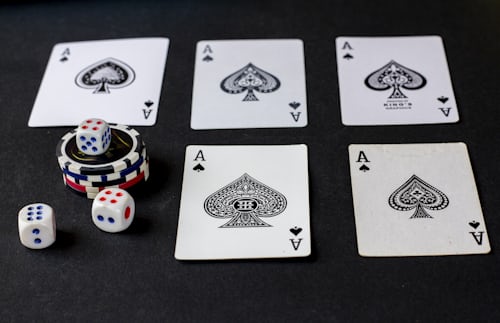
The Middle Ages marked a significant evolution in gambling practices, where card games emerged and became popular throughout Europe. The introduction of playing cards, believed to have originated in China, revolutionized the gambling landscape. These games provided a new dimension of strategy and chance, attracting nobility and commoners alike.
This period also saw the establishment of gaming houses, with regulations introduced to control gambling activities. While some viewed gambling as a moral issue, it persisted as a form of leisure. The dual nature of gambling—both as entertainment and a potential vice—became increasingly evident during this time, leading to ongoing debates about its implications on society.
The Rise of Modern Gambling
The 19th century heralded a new era for gambling with the advent of casinos, lotteries, and sports betting. The development of sophisticated gambling establishments allowed people to engage in various forms of betting, from roulette to poker. The legalization of gambling in several jurisdictions reflected changing attitudes toward risk-taking and personal freedom.
This period also gave birth to gambling myths and misconceptions, such as the belief in “lucky” or “unlucky” numbers. These ideas often stem from a psychological need to find patterns in random events, demonstrating how deeply ingrained risk-taking behaviors are in human nature. The intersection of chance, strategy, and psychological factors continues to influence modern gambling practices.
Gambling in the Digital Age
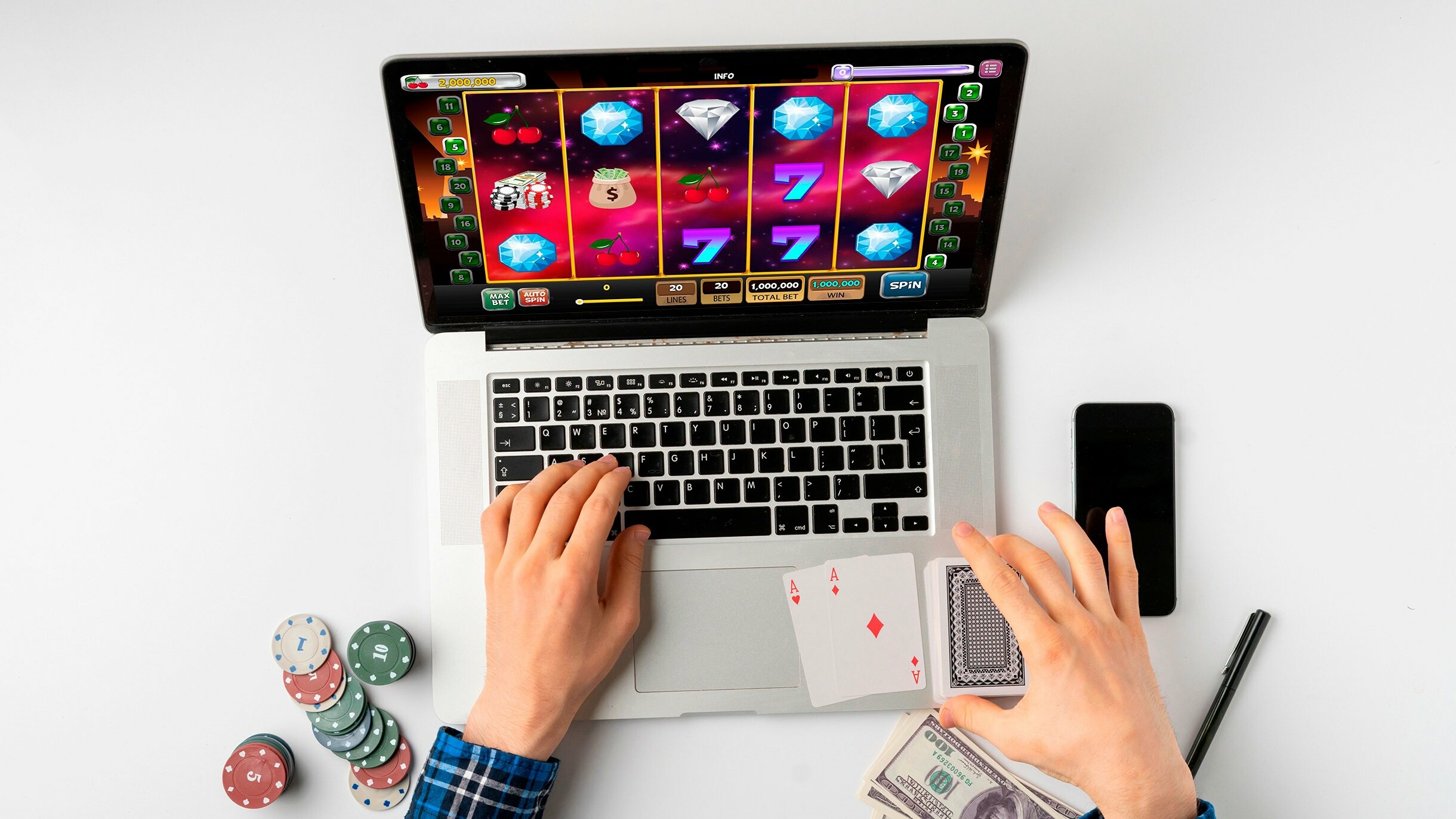
The rise of the internet has revolutionized gambling, making it more accessible than ever before. Online casinos and betting platforms have surged in popularity, allowing individuals to gamble from the comfort of their homes. This digital transformation has also led to new forms of gambling, including virtual sports and live dealer games, expanding the landscape of risk-taking.
However, this evolution comes with challenges, such as increased risks of addiction and regulatory concerns. The anonymity of online gambling can lead to unchecked behaviors, raising questions about responsible gambling practices. The digital age has not only changed how people gamble but also sparked discussions on the balance between freedom and regulation in gambling activities.
Understanding the Role of Gambling in Society
The evolution of gambling reflects broader social and psychological dynamics, serving as a mirror for human behavior. From ancient rituals to modern online platforms, gambling showcases humanity’s complex relationship with risk and reward. It highlights both the thrill of chance and the societal implications that accompany it.
As we navigate the future of gambling, it is essential to foster a balanced understanding of its role in society. Continued dialogue about responsible gambling, alongside an appreciation for its historical significance, can help mitigate potential harms while allowing individuals to enjoy the excitement of risk-taking. Engaging with the history and evolution of gambling not only enriches our knowledge but also informs our approach to this enduring human endeavor.

0 Comments