The Thrill of Risk: Understanding High-Stakes Gambling
High-stakes casino games attract individuals with a unique blend of excitement and danger. The thrill derived from betting large sums of money can evoke an adrenaline rush, making players feel exhilarated. This emotional high plays a significant role in gambling behavior, as players often chase the feeling that accompanies potential victory. The psychology of risk-taking becomes evident as individuals weigh the potential rewards against the fear of loss, illustrating a complex decision-making process that is both rational and emotional. For those looking for thrilling opportunities, casino slots online real money can present an enticing option.

Moreover, the environment in casinos is meticulously designed to heighten these feelings of excitement. The sounds of spinning slots, the flashing lights, and the cheers of winners create an atmosphere that feels electric. This sensory overload can enhance the pleasure associated with gambling, encouraging players to engage in high-stakes betting despite the risks involved. The psychological concept of “near misses” also contributes to this phenomenon, where players believe they are close to winning, reinforcing their desire to continue playing.
The Role of Cognitive Biases in Gambling Decisions
Cognitive biases significantly influence the decisions made by gamblers in high-stakes environments. One prevalent bias is the illusion of control, where individuals believe they can influence the outcome of random events. This misconception can lead players to take larger risks, as they feel empowered by their perceived ability to predict or affect results. As they engage more with the game, this bias becomes stronger, feeding into a cycle of continued high-stakes gambling.
Another common cognitive distortion is the gambler’s fallacy, the belief that past events can influence future outcomes in random games. For instance, if a player witnesses a series of losses, they may believe that a win is ‘due’ and subsequently increase their bets. This flawed thinking can lead to chasing losses, resulting in significant financial consequences. Understanding these biases is crucial for recognizing the psychological mechanisms at play in high-stakes casino experiences.
The Influence of Social Factors on Gambling Behavior
The social context in which gambling occurs can significantly impact player behavior at high-stakes tables. Many individuals gamble not only for personal gain but also for the social interaction that accompanies the experience. Casinos often serve as social hubs where players can connect with others, share stories, and celebrate wins together. This communal aspect can amplify the thrill of high-stakes betting, as individuals feed off one another’s excitement and energy.
Furthermore, peer pressure and social norms can also affect gambling decisions. In a group setting, the desire to fit in or impress others can lead to higher bets and riskier choices. Players may feel compelled to maintain a façade of success, escalating their wagers to match the expectations of their peers. This intricate interplay of social dynamics and high-stakes gambling underscores the psychological complexity behind the allure of casino games.
The Impact of Emotional States on Gambling Outcomes
Emotions play a pivotal role in shaping gambling experiences, particularly in high-stakes settings. Positive emotions, such as excitement and euphoria, can enhance risk-taking behavior, propelling players to make larger bets. Conversely, negative emotions like stress or sadness can lead to impulsive decisions as individuals seek to escape their feelings. This emotional rollercoaster can significantly impact betting patterns, often leading to cycles of loss and recovery.
Moreover, the emotional aftermath of gambling can also affect future decisions. Players who experience a significant win may feel invincible, leading to overconfidence in subsequent games. On the other hand, those who face substantial losses might succumb to feelings of despair, prompting them to gamble more in an attempt to recoup their losses. Understanding the emotional dimensions of gambling is essential for grasping the motivations behind high-stakes play.
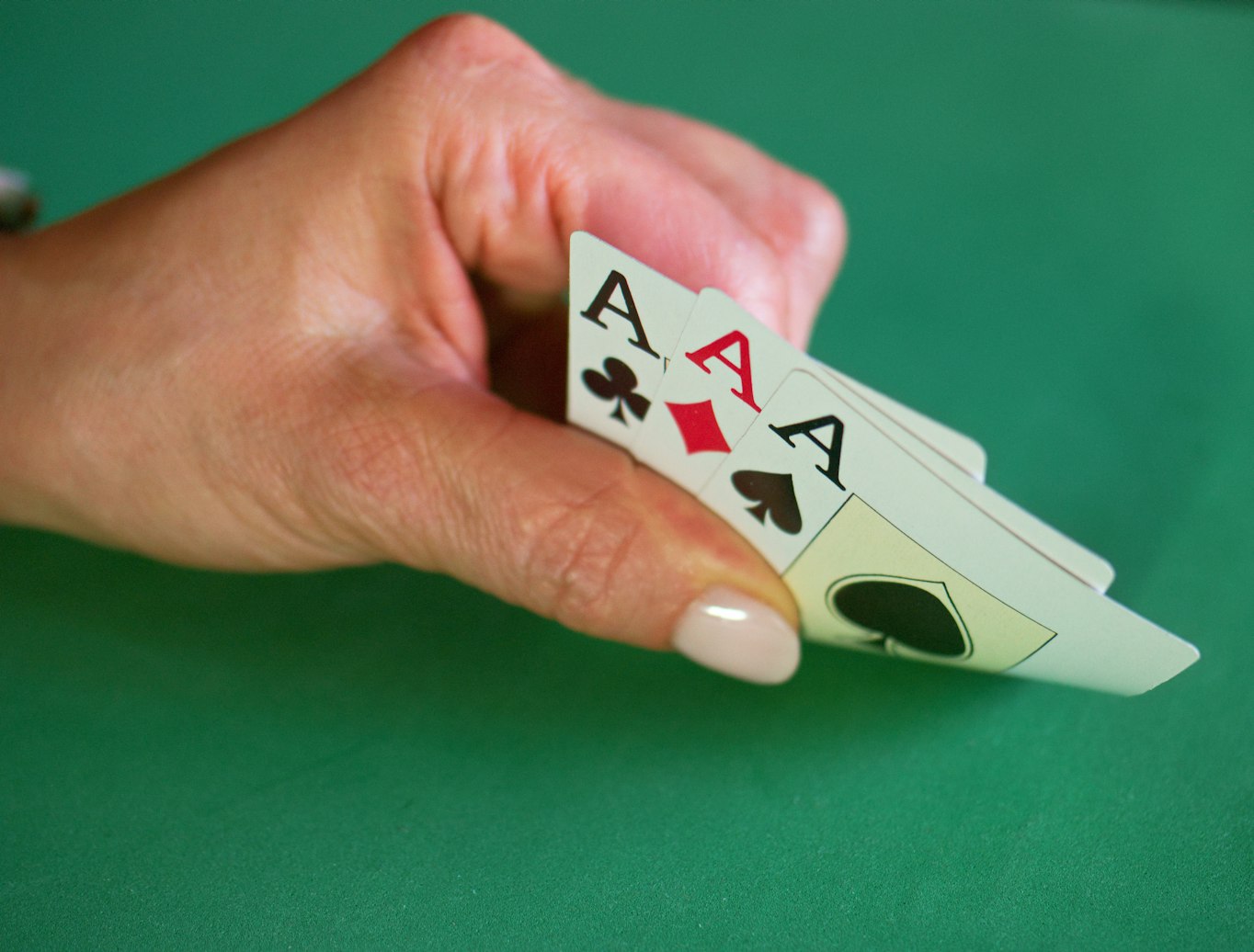
Ensuring a Safe and Informed Gambling Experience
As the fascination with high-stakes casino games continues to grow, it is crucial for players to approach gambling with awareness and caution. Online platforms should prioritize creating a secure environment for users, ensuring that information and experiences are communicated effectively and safely. Encouraging responsible gambling practices, such as setting limits and being informed about the risks, can help mitigate the negative psychological effects of high-stakes betting.
Furthermore, users are urged to seek assistance if they encounter any issues while navigating online gambling sites. Open communication with site administrators can foster a safer online experience, empowering players to make informed decisions. By understanding the psychology behind high-stakes games, individuals can approach their gambling experiences more responsibly, balancing the thrill of risk with the importance of safety and awareness.

0 Comments